


What Is Sciatica? Learn What Causes It, and What Might Be Making It Worse.

If you've ever felt a sharp, burning, or shooting pain that starts in your lower back or buttock and travels down your leg, you've probably heard someone call it "sciatica."
But here's the thing: sciatica isn't actually a diagnosis. It's a term used to describe symptoms caused by irritation or compression of the sciatic nerve. Understanding what's causing those symptoms is the first step toward finding lasting relief.
What Is Sciatica?
The sciatic nerve is the largest nerve in your body. It begins in your lower back, travels through your buttock, and runs down the back of each leg to your foot.
When this nerve becomes irritated, you may experience symptoms such as:
Pain that radiates from the lower back or buttock into the leg
Burning, tingling, or numbness
Electric shock-like sensations
Weakness in the leg or foot
Pain that worsens with certain positions or movements
Some people feel pain only in the buttock or calf, while others experience symptoms that travel all the way to the foot.
What Causes Sciatica?
There isn't one single cause of sciatica. Instead, several different conditions can irritate the sciatic nerve or the nerve roots that form it.
1. A Herniated Disc
One of the most common causes is a lumbar disc herniation. The discs between your vertebrae act as cushions, and if one bulges or ruptures, it can place pressure on a nearby nerve root.
This may lead to:
Pain traveling below the knee
Numbness or tingling
Symptoms that worsen with prolonged sitting or bending forward
Not every disc herniation causes pain, however. Many people have disc changes on imaging without any symptoms at all.

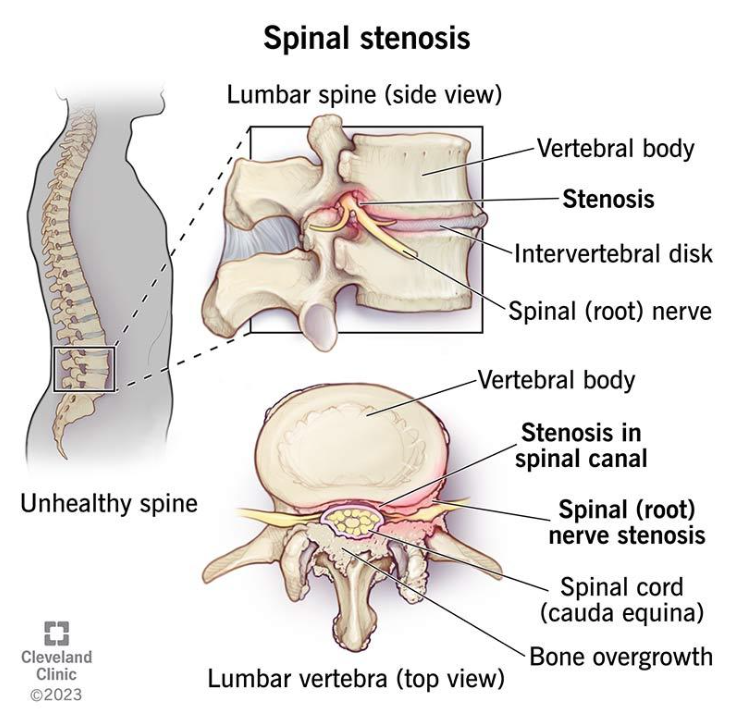
2. Spinal Stenosis
As we age, the spaces where nerves exit the spine can narrow.
This narrowing, called spinal stenosis, may cause:
Leg pain with walking
Relief when sitting or leaning forward
Achiness or heaviness in both legs
3. Muscle-Related Irritation
Sometimes muscles deep in the buttock can become tight or irritated and contribute to sciatic nerve symptoms.
While the term "piriformis syndrome" is commonly used, the relationship between the muscle and the nerve is often more complex than simply having a "tight piriformis."
Muscle tension, movement patterns, and surrounding tissues may all play a role.

4. Other Causes
Less commonly, sciatic symptoms may result from:
Arthritis affecting the spine
Spondylolisthesis (slipping of one vertebra over another)
Trauma
Pregnancy-related changes
Inflammatory conditions
A thorough evaluation is important because treatment depends on identifying the most likely source of the symptoms.
What Might Be Making Your Sciatica Worse?
Many people unintentionally continue habits that keep the irritated nerve sensitive.
Sitting for Long Periods
Prolonged sitting can increase pressure on the lower back and place the sciatic nerve in a stretched position.
If you work at a desk, long stretches without movement can often make symptoms more noticeable.
(Don't know what stretches to do to divide up your work day from long slogs of sitting? Download my FREE 5 Minute Mobility Reset for Desk Worker Guide!)
Avoiding Movement Completely
Rest has its place during severe pain, but too much rest can actually slow recovery.
Gentle movement often helps maintain mobility, improve circulation, and gradually reduce sensitivity.
Returning to Activity Too Quickly
It's common to feel a little better and immediately jump back into running, lifting, or sports.
Unfortunately, tissues that are still recovering may become irritated again if activity increases too quickly.
Gradual progression is usually much more successful than trying to "push through."
Poor Load Management
Your body adapts to the stress you place on it—but only if that stress is appropriate.
Large spikes in activity, heavy lifting after weeks of inactivity, or increasing mileage too quickly can overload tissues and prolong symptoms.
Ignoring Weakness
Many people focus only on stretching.
While stretching can temporarily relieve tightness, it often doesn't address the underlying factors contributing to recurring symptoms.
Improving strength, endurance, and movement control throughout the hips, trunk, and lower body can help your body better tolerate everyday activities.
Should You Stretch Sciatica?
The answer is: it depends.
Sciatica isn't the same for everyone.
Some people improve with stretching, while others become more irritated because the stretch places additional tension on an already sensitive nerve.
The best exercises depend on what's causing your symptoms—not simply where the pain is located.
That's why a personalized assessment is far more valuable than trying random exercises from the internet.
When Should You See a Physical Therapist?
Consider seeing a physical therapist if:
Your pain has lasted more than a couple of weeks.
Symptoms are limiting work, exercise, or daily activities.
Pain keeps returning.
You're unsure which exercises are helping versus making things worse.
You want to get back to being active safely and confidently.
A physical therapist can determine whether your symptoms are coming from your spine, surrounding muscles, or another source, then build a plan that addresses the root cause rather than simply masking symptoms.
When Is Sciatica an Emergency?
Although most cases improve without surgery, seek immediate medical attention if you experience:
Loss of bowel or bladder control
Numbness in the groin or saddle region
Significant or rapidly worsening leg weakness
Severe symptoms after a major fall or accident
Fever, unexplained weight loss, or constant night pain accompanied by back pain
These symptoms are uncommon but require prompt medical evaluation.
The Bottom Line
Sciatica is a symptom—not a diagnosis. While it often causes pain that travels down the leg, the reason that nerve is irritated can vary from person to person.
The good news is that many cases respond well to conservative treatment. The key is identifying the underlying cause, gradually restoring movement and strength, and avoiding the common mistakes that keep symptoms lingering.
If you're tired of dealing with recurring leg pain or you're unsure why your symptoms keep coming back, a comprehensive evaluation can help identify what's driving the problem and create a plan that's tailored to your goals—whether that's returning to running, keeping up with your kids, or simply getting through the workday without pain.


Comments